Endometriosis and Gut Health: Why Your Gut Symptoms Are Not a Separate Problem
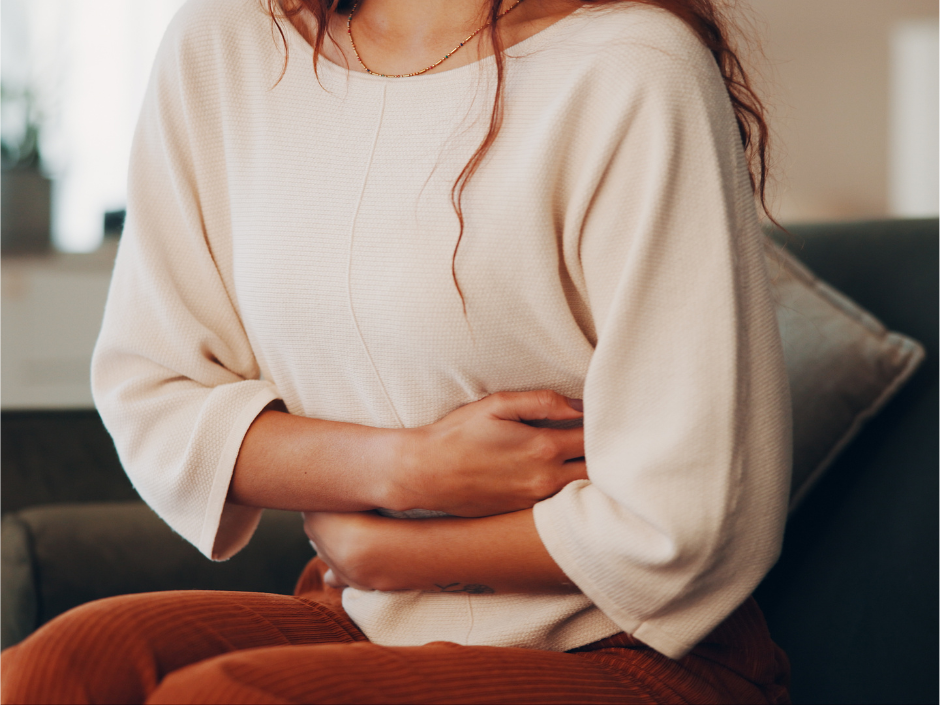
If you have endometriosis and you also have ongoing gut symptoms, you have probably been managing them as two separate conditions. Two different doctors, two different conversations, two different management plans that never quite intersect.
But the research is increasingly clear that your gut and your endometriosis are not separate problems. They are part of the same picture. And treating them in isolation is one of the reasons so many women with endometriosis continue to struggle even when they are doing everything they have been told to do.
Up to 90% of women with endometriosis experience gastrointestinal symptoms. This is not coincidence. It is connection.
How Common Are Gut Symptoms in Endometriosis?
Gut symptoms are extremely common among women with endometriosis. More common than most women are told at diagnosis, and more connected to the disease than most treating practitioners acknowledge.
A 2024 review published in Clinical Gastroenterology and Hepatology found that up to 90% of women with endometriosis experience gastrointestinal symptoms including constipation, bloating, nausea, and vomiting. Women with endometriosis are three to five times more likely to develop IBS than healthy women. A separate study found that 37% of women diagnosed with IBS were found to also have endometriosis, a rate far higher than the general population prevalence of the disease.
Research published in BMC Gastroenterology in 2023 confirmed that endometriosis and IBS have overlapping symptoms, pathogenesis, and risk factors, and that these diagnoses frequently coexist and are regularly misdiagnosed, contributing to diagnostic delays that already average eight to twelve years for endometriosis alone.
A 2023 study from the University of Queensland identified shared genetic factors in the development of endometriosis and gastrointestinal disorders including IBS, peptic ulcer disease, and gastro-oesophageal reflux disease, demonstrating for the first time that there are likely mechanistic factors underlying the relationship between the reproductive and gastrointestinal tracts.
In other words, the connection is not just symptomatic overlap. It's being driven by biology.
Why Endometriosis Affects the Gut
To understand why the gut is so frequently involved in endometriosis, it helps to understand what endometriosis actually is.
Endometriosis is not a disease of the uterus. It is a systemic, inflammatory, immune-mediated condition in which tissue similar to the uterine lining establishes itself on structures outside the uterus. The bowel is one of the most common sites of endometriosis involvement, with lesions found on the bowel wall, rectum, and intestinal surfaces in a significant proportion of cases. This direct bowel involvement can cause pain, bloating, altered bowel habits, and symptoms that are virtually indistinguishable from IBS.
But even in women where endometriosis lesions are not directly on the bowel, the gut is affected. The chronically inflammatory environment that endometriosis creates in the pelvis affects gut motility, gut barrier integrity, and the composition of the gut microbiome. The gut is responding to the disease, and in doing so, begins to contribute to it.
The Gut Microbiome in Endometriosis
One of the most significant recent developments in endometriosis research is the discovery that women with endometriosis have a measurably different gut microbiome to those without it.
A 2025 systematic review and meta-analysis published in Frontiers in Microbiology examined the association between endometriosis and gut microbiota across multiple studies. It found consistent evidence of reduced microbial diversity and altered bacterial populations in women with endometriosis, with the gut microbiota playing a role in key biological processes related to the disease including immunity, inflammation, and oestrogen metabolism. A 2025 review published in the International Journal of Molecular Sciences confirmed that gut microbiota dysbiosis is a potential driver of endometriosis disease progression, not merely a consequence of it.
Whether dysbiosis causes endometriosis, results from it, or perpetuates it through a bidirectional cycle is still being investigated. What the research does make clear is that the two are deeply linked, and that the gut microbiome is not a peripheral concern in endometriosis management.
Intestinal Permeability and the Inflammatory Cycle
When the gut microbiome is disrupted, one of the consequences is impaired gut barrier integrity. The tight junctions between intestinal cells become less effective, allowing bacterial byproducts, undigested food particles, and inflammatory compounds to pass into the bloodstream.
In endometriosis, where chronic inflammation is already the central mechanism of pain and tissue damage, this additional systemic inflammatory load is significant. Research has found elevated levels of inflammatory markers including lipopolysaccharide in the peritoneal fluid of women with endometriosis, and that gut-derived inflammatory signals contribute to the peritoneal inflammatory environment that enables endometriosis lesions to implant and grow.
The result is a self-reinforcing cycle. Endometriosis drives gut dysbiosis and increases intestinal permeability. Increased intestinal permeability amplifies systemic inflammation. Amplified inflammation worsens endometriosis activity and pain. Addressing the gut is not a side project in this picture. It is a way of interrupting the cycle.
Nutritional Deficiency: The Hidden Consequence
Chronic gut inflammation does not only cause symptoms. It impairs absorption of nutrients. This is one of the most clinically significant and least discussed consequences of gut involvement in endometriosis.
Many of the nutrients most critical for managing endometriosis, including those needed for immune regulation, tissue repair, oestrogen metabolism, and inflammation control, are absorbed primarily in the small intestine. When the gut is chronically inflamed and the microbiome is disrupted, absorption is compromised even when the diet looks good on paper.
A 2024 review published in Nutrients examining dietary and nutritional interventions for endometriosis found that women with endometriosis frequently have deficiencies in key nutrients including iron, magnesium, zinc, vitamin D, and omega-3 fatty acids, and that dietary and nutritional interventions have demonstrated promising outcomes in reducing endometriosis-related pain and gastrointestinal symptoms. The review concluded that nutrition can significantly influence inflammation, the microbiome, and oestrogen levels in endometriosis.
Iron deficiency is particularly common and particularly consequential in this group. Heavy menstrual bleeding is a feature of endometriosis for many women, and a gut that is absorbing poorly compounds the iron loss from bleeding with impaired iron uptake. The result is a level of fatigue that significantly affects quality of life and that is rarely connected to the gut in clinical conversations.
Omega-3 fatty acids, which have direct anti-inflammatory activity and have been specifically studied in relation to endometriosis-related pain, are also poorly absorbed in a compromised gut environment. Supplementing without addressing absorption is far less effective than addressing both.
The Oestrogen Connection
Endometriosis is an oestrogen-dependent disease. The lesions that cause pain and damage are stimulated by oestrogen and recede when oestrogen is low. How effectively the body clears oestrogen is therefore directly relevant to disease activity.
The gut plays a central role in oestrogen clearance through a collection of gut bacteria called the estrobolome. These bacteria produce an enzyme called beta-glucuronidase that governs whether oestrogen that has already been processed by the liver for elimination gets cleared from the body or reactivated and recirculated.
In women with gut dysbiosis, beta-glucuronidase activity is frequently elevated. Oestrogen that should have been eliminated re-enters circulation instead, contributing to the oestrogen excess that drives lesion activity. Research has found that Clostridium species, which tend to be higher in the gut microbiomes of women with endometriosis, are particularly active producers of beta-glucuronidase, creating a direct microbial mechanism by which gut dysbiosis fuels the disease. Supporting gut health is therefore also a strategy for supporting oestrogen clearance.
"What I see consistently in women with endometriosis is that the gut has been treated as an afterthought. They have had surgery, they have tried hormonal management, and nobody has looked at the inflammatory cycle driven by gut dysbiosis, the nutritional deficiencies that impaired absorption is creating, or the way the estrobolome is recirculating oestrogen back into their body. When we address the gut as part of a comprehensive endometriosis management plan, the outcomes improve. Pain levels reduce. Energy improves. The body begins to respond better to everything else it is being given. This is not alternative care. It is the part of the picture that the other conversations are missing."
- Gemma Knaap, Naturopath (BHSc Naturopathy, Certified Natural Fertility Educator, Gut Microbiome Analyst) | Southernwood Apothecary & Clinic
What Addressing Gut Health in Endometriosis Actually Looks Like
A naturopathic approach to gut health in endometriosis is not a supplement protocol handed over at the end of a consultation. It is a thorough investigation of what is happening in the gut, why it is happening, and what is needed to address it in the context of the individual woman's full health picture. The key areas typically addressed include:
Gut microbiome assessment and support: identifying dysbiosis and using targeted dietary, prebiotic, and probiotic strategies to restore a more diverse and protective microbial environment.
Intestinal permeability: reducing the inflammatory and dietary drivers of a compromised gut barrier and supporting the repair of tight junction integrity.
Nutritional status: assessing and addressing deficiencies in iron, magnesium, zinc, vitamin D, omega-3 fatty acids, and other nutrients critical to immune regulation and inflammation management, alongside strategies to improve absorption.
Oestrogen metabolism: supporting the estrobolome through gut health interventions and dietary strategies that favour oestrogen clearance over recirculation.
Anti-inflammatory dietary approach: identifying dietary drivers of inflammation specific to the individual, including high FODMAP foods that amplify gut symptoms, and building a way of eating that actively reduces the inflammatory load.
Nervous system and pain regulation: the gut-brain axis is directly involved in pain signalling, and supporting gut health alongside nervous system regulation can reduce pain sensitivity over time.
This work does not replace medical management of endometriosis. Surgery and hormonal interventions are still useful tools for some women to help manage symptoms and improve quality of life. Naturopathic gut health support addresses the systemic environment that medical treatment cannot reach. Both are needed, and together they produce better outcomes than either alone.
Two Symptoms, One Conversation
Endometriosis is a complex, systemic disease. The gut is not a bystander in that complexity. It is actively involved in the inflammatory cycle that sustains lesion activity, in the oestrogen recirculation that feeds the disease, and in the nutritional status that determines how well your body can manage it. The gut symptoms so many women with endometriosis experience are not coincidental, not separate, and not something to manage in parallel while the real treatment happens elsewhere. They are part of the same picture. And addressing them as part of a comprehensive, whole-body approach to endometriosis is one of the most meaningful things you can do to improve your quality of life alongside whatever medical management you are already receiving.
If you have endometriosis and ongoing gut symptoms that have never been properly investigated or connected to your diagnosis, I would love to work with you. Telehealth consultations are available across Australia or see me in person at my Albany clinic.
Frequently Asked Questions
Why do so many women with endometriosis have gut symptoms?
Research published in Clinical Gastroenterology and Hepatology found that up to 90% of women with endometriosis experience gastrointestinal symptoms. There are several reasons for this. Direct bowel involvement with endometriosis lesions is common. The chronic inflammatory environment of endometriosis affects gut motility and gut barrier function. Women with endometriosis have a measurably different gut microbiome to those without it, which contributes to digestive symptoms. And shared genetic and biological factors mean endometriosis and gastrointestinal disorders like IBS have overlapping mechanisms that cause them to frequently coexist.
Is endometriosis often mistaken for IBS?
Yes, and this is a significant driver of the diagnostic delays that average eight to twelve years for endometriosis. The symptom overlap between endometriosis and IBS is substantial, including bloating, bowel habit changes, abdominal pain, and cramping. Research published in BMC Gastroenterology in 2023 confirmed that these diagnoses frequently coexist and are regularly misdiagnosed. Women with endometriosis are three to five times more likely to develop IBS than healthy women, and 37% of women diagnosed with IBS in one study were found to also have endometriosis.
How does gut dysbiosis worsen endometriosis?
Gut dysbiosis worsens endometriosis through several mechanisms. It impairs gut barrier integrity, allowing inflammatory compounds into the bloodstream and amplifying the systemic inflammation that drives lesion activity and pain. It elevates beta-glucuronidase activity, causing oestrogen to be reactivated rather than cleared, which feeds the oestrogen-dependent lesions. And it disrupts the immune regulation that should limit lesion establishment and growth. The relationship is bidirectional: endometriosis drives dysbiosis, and dysbiosis worsens endometriosis.
Can improving gut health reduce endometriosis pain?
The research suggests it can contribute meaningfully to pain reduction. A 2024 review in Nutrients found that dietary and nutritional interventions have demonstrated promising outcomes in reducing endometriosis-related pain and gastrointestinal symptoms. A 2025 study published in the European Journal of Medical Research found that targeting gut microbiota alongside standard laparoscopic surgery significantly improved pain outcomes, inflammatory markers, and quality of life compared to surgery alone. These outcomes are consistent with the mechanism: reducing intestinal permeability, improving oestrogen clearance, and lowering systemic inflammation all directly affect the conditions that drive endometriosis pain.
What nutritional deficiencies are common in endometriosis?
Research has found that women with endometriosis frequently have deficiencies in iron, magnesium, zinc, vitamin D, and omega-3 fatty acids. These deficiencies are partly driven by heavy menstrual bleeding, partly by the increased nutritional demands of managing a chronic inflammatory disease, and significantly by impaired gut absorption resulting from gut dysbiosis and intestinal inflammation. Identifying and addressing these deficiencies through a combination of dietary improvement and targeted supplementation, alongside work to improve absorption, is a meaningful component of endometriosis management.
What is the estrobolome and why does it matter for endometriosis?
The estrobolome is a collection of gut bacteria responsible for metabolising oestrogen through the production of an enzyme called beta-glucuronidase. In a healthy gut environment, this system ensures oestrogen is cleared from the body after being processed by the liver. When gut dysbiosis is present, beta-glucuronidase activity is elevated and oestrogen is reactivated and recirculated rather than eliminated. Since endometriosis is an oestrogen-dependent disease, this recirculation directly fuels lesion activity. Supporting the gut microbiome is therefore a strategy for supporting oestrogen clearance, which reduces the hormonal driver of the disease.
Can a naturopath help with endometriosis?
Yes. A naturopath takes a whole-person approach to endometriosis management, addressing the systemic inflammatory, immune, and hormonal environment that medical treatment doesn't address. This includes gut microbiome assessment and support, nutritional status investigation and correction, oestrogen metabolism support, anti-inflammatory dietary strategies, and nervous system regulation. Naturopathic care does not replace surgery or hormonal management where these are helpful. It works alongside them, and the combination consistently produces better outcomes than medical management alone. Telehealth consultations are available across Australia, or in person in my Albany clinic.
About the Author
Gemma Knaap is a naturopath practicing in Albany, WA and via Telehealth across Australia. She specialises in women's hormonal health, gut health, and reproductive wellbeing. She holds a Bachelor of Health Science in Naturopathy and is a Certified Natural Fertility Educator and Gut Microbiome Analyst.
References
Clinical Gastroenterology and Hepatology. (2024). Endometriosis Is Associated With Higher Healthcare Utilization and Upper Gastrointestinal Symptoms. https://www.cghjournal.org/article/S1542-3565(24)00286-6/fulltext
Petersson, A. et al. (2025). Comparison of sociodemographic factors, lifestyle, and gastrointestinal symptoms between patients with endometriosis and IBS. BMC Gastroenterology. https://doi.org/10.1186/s12876-025-04379-9
Stark Junkka, S. and Ohlsson, B. (2023). Associations and gastrointestinal symptoms in women with endometriosis in comparison to women with IBS. BMC Gastroenterology. https://doi.org/10.1186/s12876-023-02861-w
University of Queensland. (2023). Genetics links endometriosis and IBS. ScienceDaily. https://www.sciencedaily.com/releases/2023/10/231026161103.htm
Frontiers in Microbiology. (2025). Association between endometriosis and gut microbiota: systematic review and meta-analysis. https://doi.org/10.3389/fmicb.2025.1552134
Baușic, A.I.G. et al. (2025). Gut Microbiota Dysbiosis in Endometriosis: A Potential Link to Inflammation and Disease Progression. International Journal of Molecular Sciences, 26(11), 5144. https://doi.org/10.3390/ijms26115144
Frontiers in Cellular and Infection Microbiology. (2025). Gut microbiota as a key regulator in endometriosis: mechanisms, therapeutic opportunities, and future perspectives. https://doi.org/10.3389/fcimb.2025.1730739
Tan, J. et al. (2024). Dietary and Nutritional Interventions for the Management of Endometriosis. Nutrients, 16(23), 3988. https://doi.org/10.3390/nu16233988
Qiao, X. et al. (2025). Microecological therapy as adjunct treatment for endometriosis: retrospective analysis of 187 patients. European Journal of Medical Research, 30, 1084. https://doi.org/10.1186/s40001-025-03334-4
British Journal of Nursing. (2023). Irritable bowel syndrome and endometriosis: diagnosis, similarities, and nutritional management. https://doi.org/10.12968/bjon.2023.32.21.S14


Comments